How to Choose a GPS Tracker for Dogs
A dog GPS tracker is a subscription product with a battery, not a one-time purchase — this is how to read the published specifications and work out which one actually fits your dog before you pay.

How to Choose a GPS Tracker for Dogs — editorial image.

How we chose
We built these picks from published product specifications, official retailer listings and user reviews. AIBUYLAB has no testing lab — nothing here claims hands-on measurements. Every product is scored on a 10-point weighted index across 5 to 6 dimensions per category, and each dimension score is labelled with its data source: manufacturer specs, aggregated user reviews, or our editorial assessment.
Products in this guide
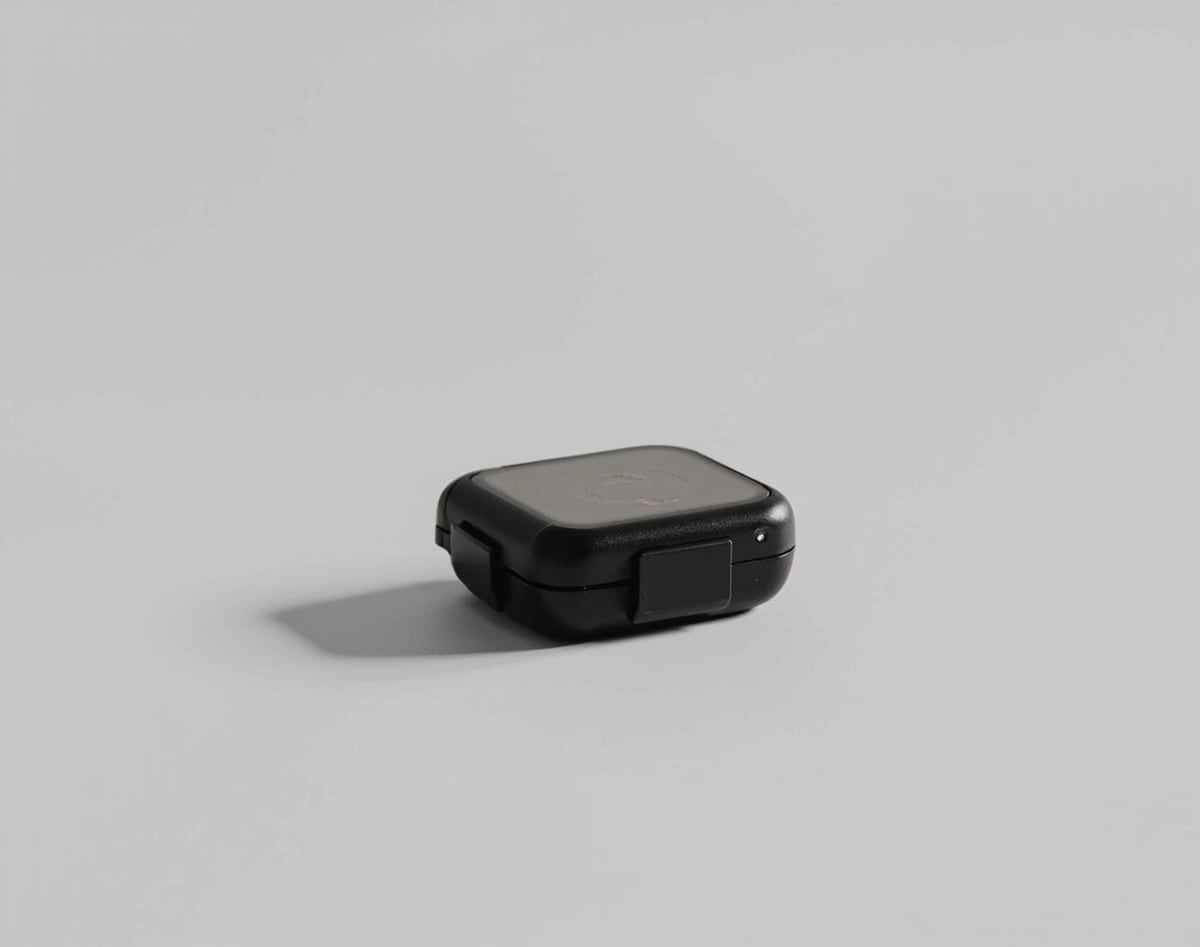 GPS Trackers
Life360 Pet GPS
Editor score: 8.1 / 10
no verified review count — check the retailer page
Price: check current price price verified 2026-11-07
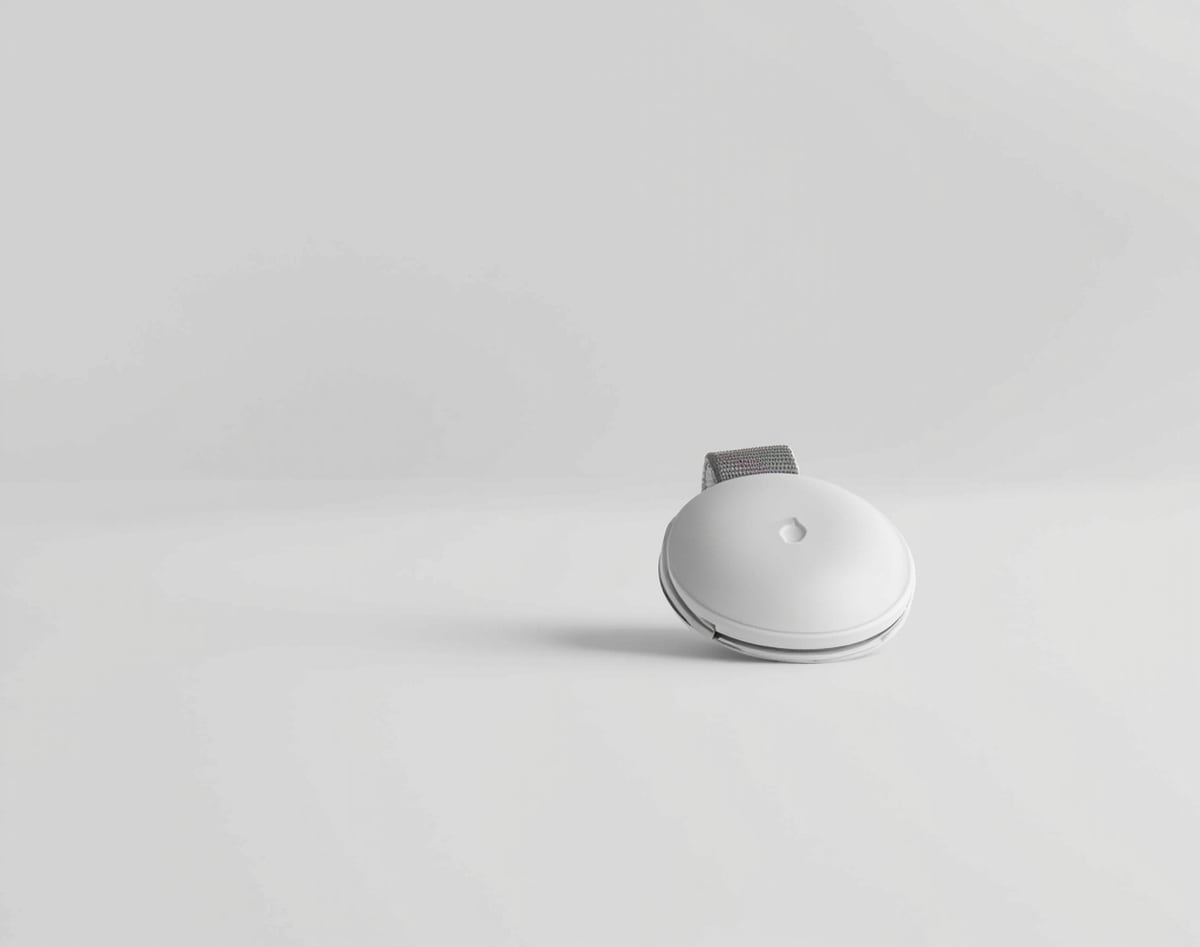 GPS Trackers
Jiobit Smart Tag
Editor score: 7.7 / 10
no verified review count — check the retailer page
Price: check current price price verified 2026-11-07
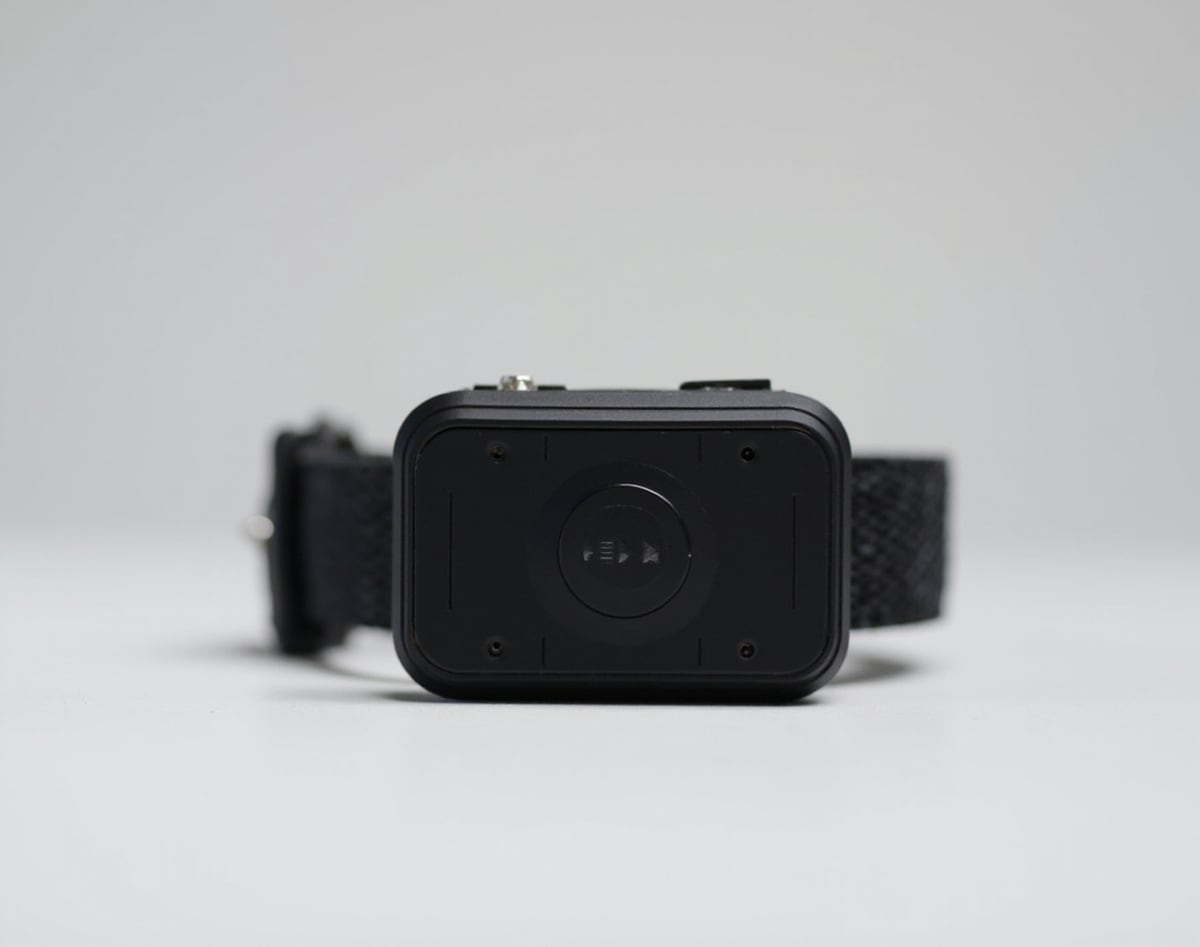 GPS Trackers
Halo Collar 5
Editor score: 7.6 / 10
no verified review count — check the retailer page
Price: check current price price verified 2026-11-07
Facts and prices verified 2026-11-07 (manufacturer product pages; subscriptions and device prices change — check the current price before buying).
How a Dog GPS Tracker Actually Works
The distinction that matters most is between a true GPS tracker and a short-range tag. A real tracker takes its position from satellite systems — GPS, GLONASS and Galileo are all published on current models — and then sends it to you over a cellular network, so you can see the dog wherever it is as long as there is coverage. That cellular link is why every tracker in this category needs a monthly or annual subscription: it is a phone line for the dog.
A Bluetooth or short-range tag only reports position when it is near your phone or a relay network. These are useful for finding keys or a cat under a bed, and almost useless for a dog that has run. Read the specification's connectivity line carefully: "GPS, cellular and Wi-Fi" means a real tracker; "Bluetooth" alone means a tag.
Some collars go further and work as virtual fences — the Halo Collar 5 stores fences on the collar itself, so enforcement continues without Wi-Fi or cellular, and delivers feedback as sound, vibration or static. That is a containment and training tool, not just a tracker.
The Numbers That Matter Most
- Battery life in days, and its conditions. Published figures across this category run from two days to three months — and the longest always come with conditions: Power Saving Zones, Beast Mode, collar-only wear. Read the condition, not the headline.
- Update frequency. Where it is published, live-tracking intervals run from every 2–3 seconds to every 10 seconds, and one fencing collar publishes 20 updates a second. "Real-time" on a marketing page is worth nothing without the interval.
- Water resistance. Look for a published IP rating — IP68 is common at the better end. Where a maker publishes none, do not assume water resistance at all.
- Weight and collar fit. Published weights run from about 18 g for a tag to several hundred grams for a fence collar; check the collar-width limit and the dog's weight minimum, because some units genuinely are not built for small dogs.
- Coverage and networks. Check the countries and the carrier list. On the better pages this is explicit — one major model states coverage in more than 175 countries and connection to AT&T, Verizon and T-Mobile LTE in the United States.
- Subscription price ladder. Get the full ladder, not the headline "from" price: month-to-month, annual and multi-year plans differ materially, and the cheapest rate usually requires the largest up-front payment.
- Extra features and their feedback types. Activity and health tracking, night lights, escape alerts and geofences are all real; if a collar offers correction as sound, vibration or static, decide where you stand on static before buying.
Which Tracker Fits Your Dog
Escape-prone dogs need the fastest published update interval and escape alerts when a geofence is crossed — this is the one case where the update frequency number genuinely matters. Walking and hiking dogs need long battery life, real water resistance and coverage that matches where you actually go; a tracker that works in 175 countries is wasted if your dog never leaves one of them, but a tracker with no water rating is useless on a swimmer. Small dogs need the weight and collar-width limits checked, and some full collars are simply not made for them. Multi-pet homes should check how many devices one plan covers, since some memberships cover two or more trackers and others are per device. Apartment dogs often benefit more from the activity and health tracking than from range — if your dog is never off-leash far from you, the tracking layer is the useful one.
The Real Cost Is the Subscription
The device price is a down payment. Across this category, published subscription ladders run from about $5 to $9 a month, and one model includes a year of service in its $99 purchase price. The honest way to compare is year one: device plus the plan you would actually accept. That arithmetic routinely moves a $79 tracker above a $99 one and explains why the model with included service can be the cheapest option in the group despite a higher sticker price. Also check what happens without a subscription — some trackers stop updating location entirely, others keep live view, and a few merely hold back app extras.
Step by Step
- Step 1 — Weigh the dog and measure the collarGet the dog's weight and the collar width in inches. Compare both against the maker's published fit limits before considering anything else, because a collar that does not fit the dog is the one mistake no feature can fix.
- Step 2 — Decide between real-time GPS and short-range helpIf the dog can get more than a room away from you, you need a cellular GPS tracker and its subscription. If the question is only "which room is the cat in", a short-range tag is the cheaper answer.
- Step 3 — Compare battery life against your charging habitsTake the published battery figure, read its stated condition, and compare it to how often you would realistically charge. A two-week figure that needs Power Saving Zones can become less in practice than a shorter figure with no conditions.
- Step 4 — Add up device plus subscription for year onePrice the plan you would actually buy — not the cheapest "from" rate — and total device plus that plan. Compare those totals across models rather than the sticker prices.
- Step 5 — Check water resistance and warrantyConfirm a published IP rating and read the warranty terms. A tracker for a swimming dog with no published water rating is not a tracker for a swimming dog.
Frequently Asked Questions
How accurate is a dog GPS tracker?
Where makers publish it, accuracy claims run from about 1–50 feet for a small tag-style unit to under 2 feet for a fencing collar with dual-frequency GPS refined by ground stations. These are manufacturer claims about satellite positioning, and multi-satellite systems (GPS, GLONASS and Galileo together) are the better sign of a serious positioning unit. Source: this article, How to Choose a GPS Tracker for Dogs
How long does the battery last on a GPS dog collar?
Published figures range from about two days to three months. The spread is mostly conditions: Power Saving Zones, how often live tracking is used, and whether the collar is worn continuously. Always read the condition attached to the number. Source: this article, How to Choose a GPS Tracker for Dogs
Can a dog GPS tracker work without a subscription?
Generally not for live tracking — the cellular link is the product. One model in this category bundles twelve months of service into the device price, which is the only way a subscription requirement becomes invisible in year one. Source: this article, How to Choose a GPS Tracker for Dogs
Can one subscription cover several dogs?
Sometimes. At least one membership in this category covers two trackers and others scale up to six or more devices at higher tiers. If you have multiple pets, check the plan's device count rather than assuming it is per-collar. Source: this article, How to Choose a GPS Tracker for Dogs
Quick verdict
Work out what you are buying it for first. If you want to find a dog that has slipped a collar or escaped a yard, you need real-time updates over a cellular network, and that means a subscription. If you mostly want to know how much your dog walks, you are buying an activity tracker with a location feature. If you want to keep a dog in an area without a physical fence, you are buying a containment collar — and those are three different purchases with three different price structures.
- 2026-11-07 — First published: buying guide for dog GPS trackers, structured around the real-time-versus-tag distinction and true first-year cost. Companion product coverage: best GPS trackers for dogs and this guide's companion picks.
You may also like
 Best List
Best GPS Tracker for Dogs: 5 Editor Picks
Five dog GPS trackers ranked on battery life, update frequency, water resistance, coverage and the real first-year subscription cost.
 Best List
Best Pet Camera: 5 Editor Picks
Five pet cameras ranked on video quality, interaction, night vision and which features survive without a subscription.
 Best List
Best Pet Water Fountain: 4 Editor Picks
Four pet water fountains ranked for cats and small dogs — compared on capacity, filtration, materials, noise and power from their published specifications.