Best Automatic Litter Box for Multiple Cats: 5 Editor Picks
Five automatic litter boxes, ranked for homes with more than one cat — compared from their published specifications, their multi-cat limits, and what their makers actually say about waste capacity and cleaning cycles.
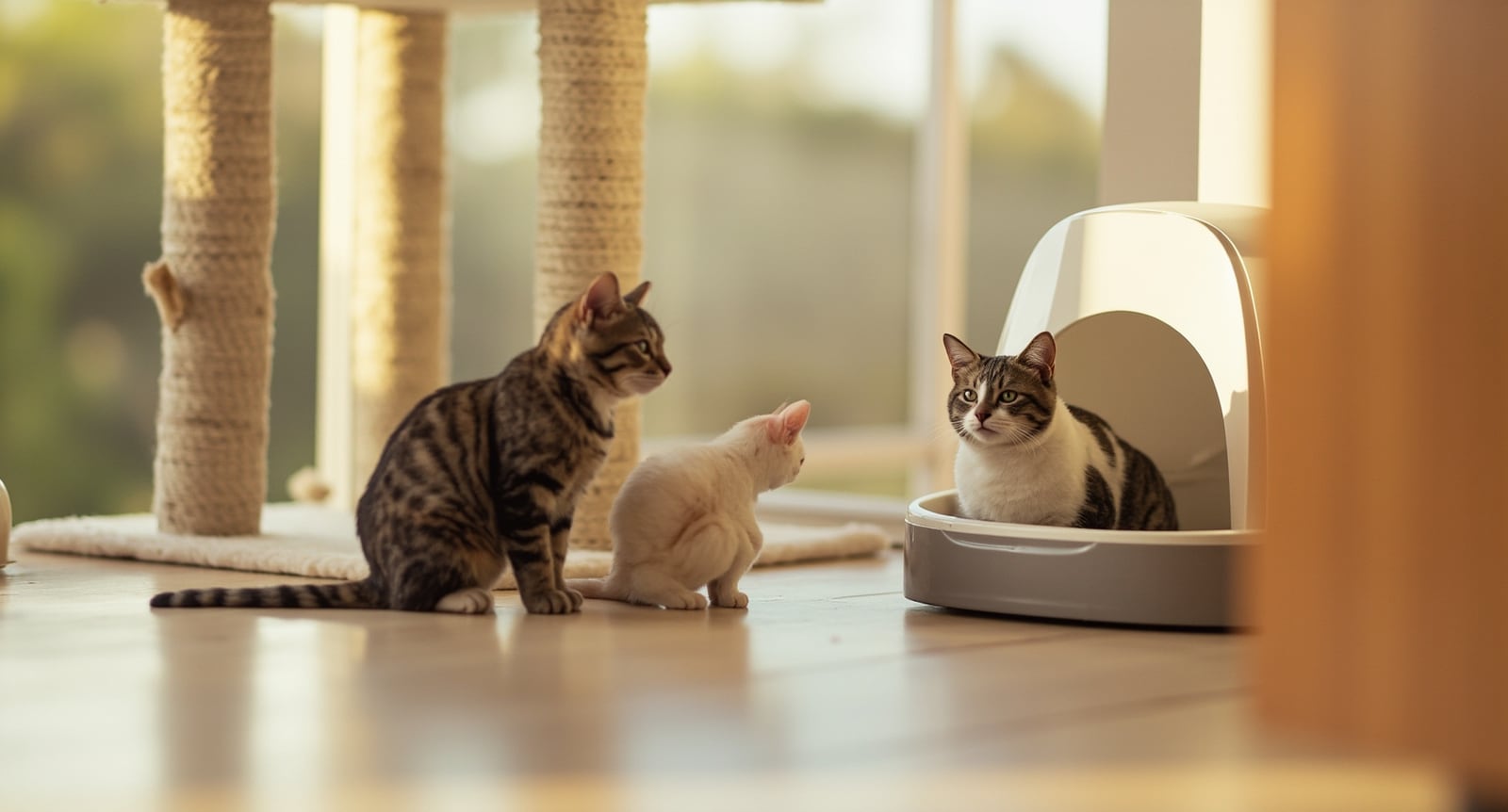
Best Automatic Litter Box for Multiple Cats: 5 Editor Picks — editorial image.

How we chose
We built these picks from published product specifications, official retailer listings and user reviews. AIBUYLAB has no testing lab — nothing here claims hands-on measurements. Every product is scored on a 10-point weighted index across 5 to 6 dimensions per category, and each dimension score is labelled with its data source: manufacturer specs, aggregated user reviews, or our editorial assessment.
| Product | Price | Key specs | Best for | Score |
|---|---|---|---|---|
| Litter-Robot 4 | check current price price verified 2026-11-07 | Type Rotating sifting self-cleaning box · Cat weight 3-25 lbs · Multi-cat Up to 4 cats per unit | most buyers | 8.4 / 10 AI Buy Lab Score |
| PETKIT Purobot Max Pro 2 | check current price price verified 2026-11-07 | Type Rotating sifting self-cleaning box · Drum capacity 76 L · Cat weight 3.3-22 lbs | mid-price rotating box | 8.6 / 10 AI Buy Lab Score |
| PETLIBRO Luma Smart Litter Box | check current price price verified 2026-11-07 | Type Rotating sifting self-cleaning box · Model PLLB001 · Cats Up to 10 cats, 2.2-22 lbs | camera monitoring | 8.5 / 10 AI Buy Lab Score |
| CatGenie A.I. | check current price price verified 2026-11-07 | Type Self-washing flushable unit · Waste handling Flushed away, no waste stored · Litter Reusable Washable Granules only | flushing waste away | 7.8 / 10 AI Buy Lab Score |
| PetSafe ScoopFree Crystal Pro Self-Cleaning | check current price price verified 2026-11-07 | Type Hooded rake-style self-cleaning box · Self-cleaning Up to 30 days, no scooping · Litter ScoopFree crystal trays only | budget shoppers | 6.6 / 10 AI Buy Lab Score |
Prices shown are the retailer's live price where a feed is available; each product's verification date is printed under its price, and the retailer's page always shows the current price.
Awards are editorial picks: Best Overall is our top-ranked product, Best Value the cheapest pick, Premium Choice the most expensive.
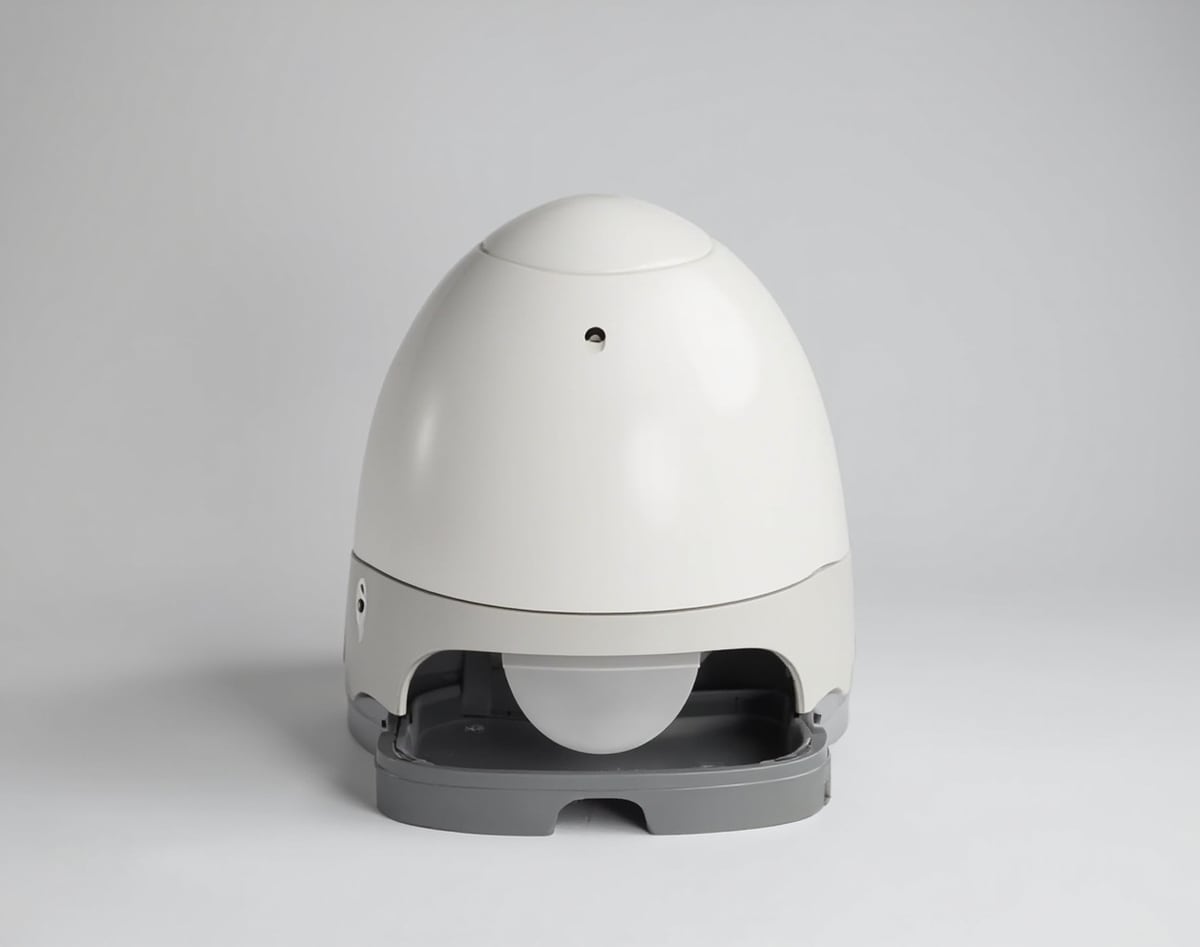
Litter-Robot 4 — product image.
Our Picks
We compared 5 litter robots4 category reviews
Litter-Robot 4
Best overall for multi-cat homes
Perfect for: most buyers
Skip if: "As low as $699" listed — the most expensive automatic litter box we cover
Price: check current price · Editor score: 8.4 / 10
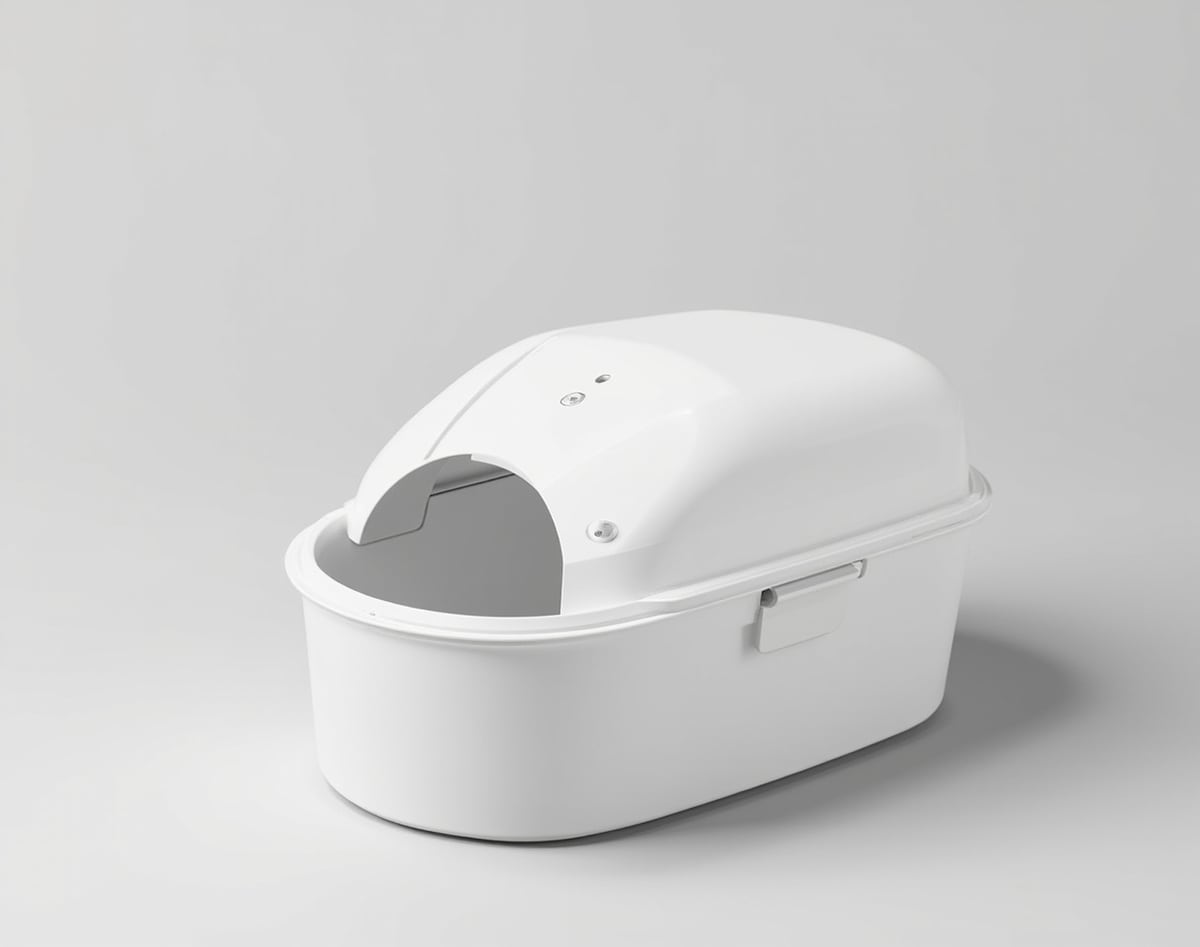
PETKIT Purobot Max Pro 2
Best mid-price rotating box
Perfect for: mid-price rotating box
Skip if: Entry is 10.51 × 10.74 in and 10.03 in high — tighter for a large cat
Price: check current price · Editor score: 8.6 / 10
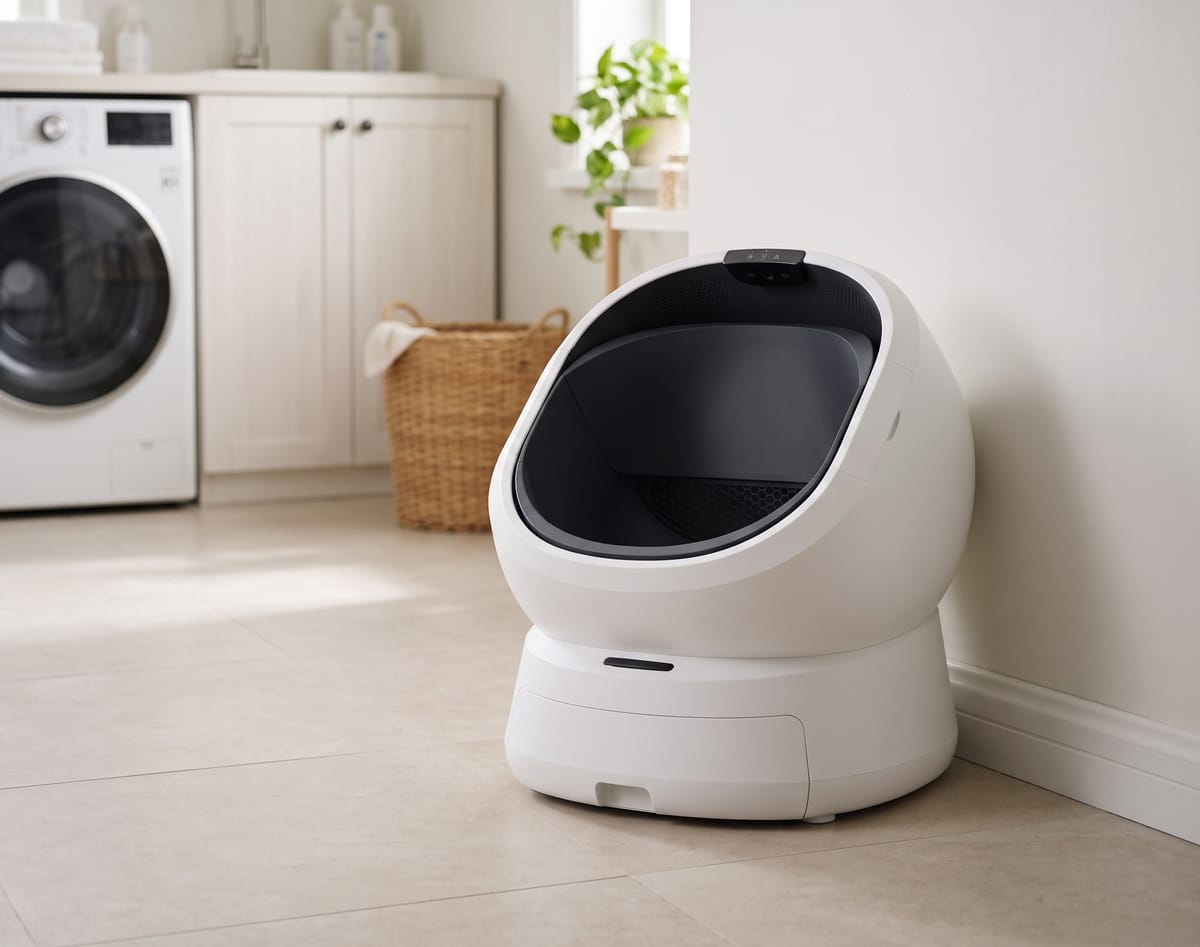
PETLIBRO Luma Smart Litter Box
Best for camera monitoring
Perfect for: camera monitoring
Skip if: Heaviest and tallest box here — 33.01 lbs, and it needs a hard, flat floor
Price: check current price · Editor score: 8.5 / 10
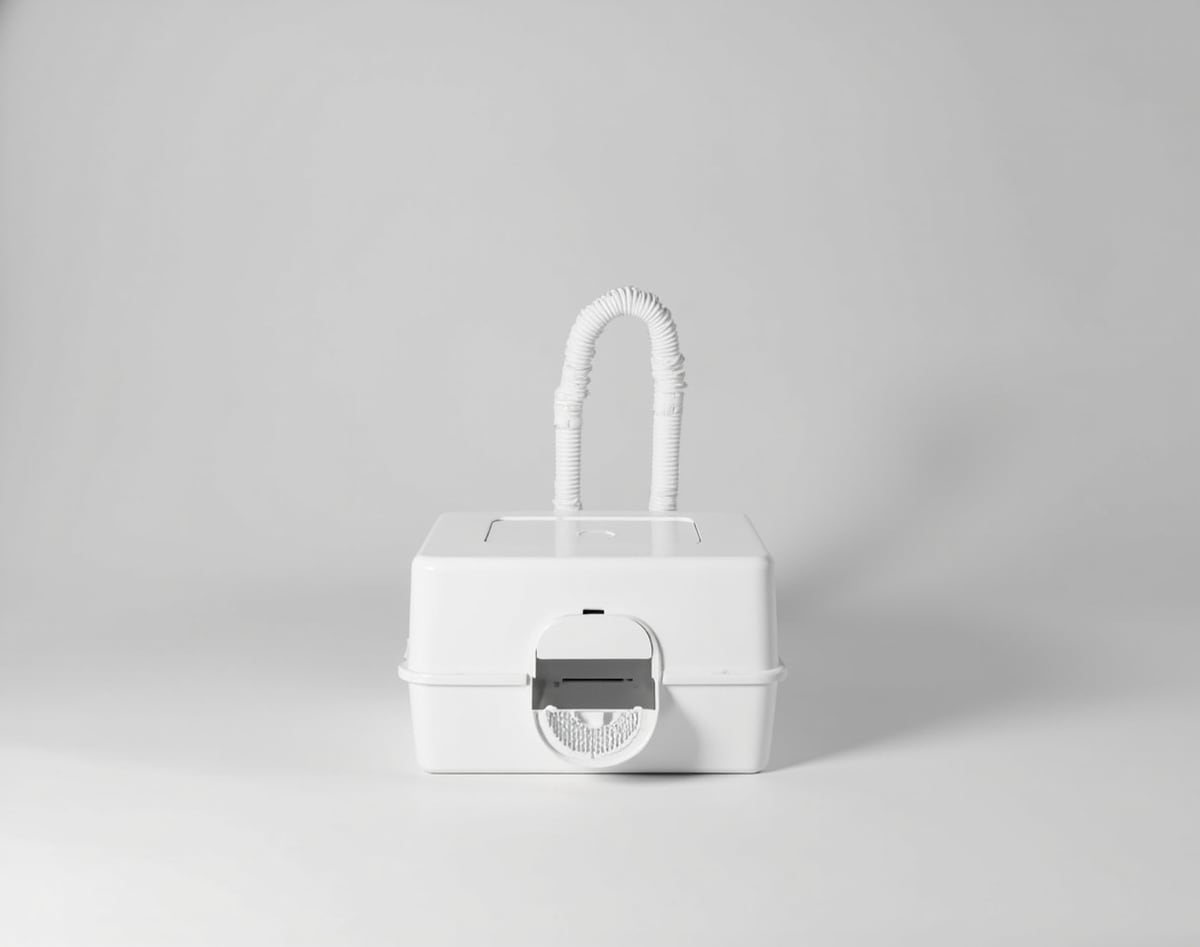
CatGenie A.I.
Best for flushing waste away
Perfect for: flushing waste away
Skip if: Needs a cold water supply and a drain — a plumbing project, not a plug-in
Price: check current price · Editor score: 7.8 / 10
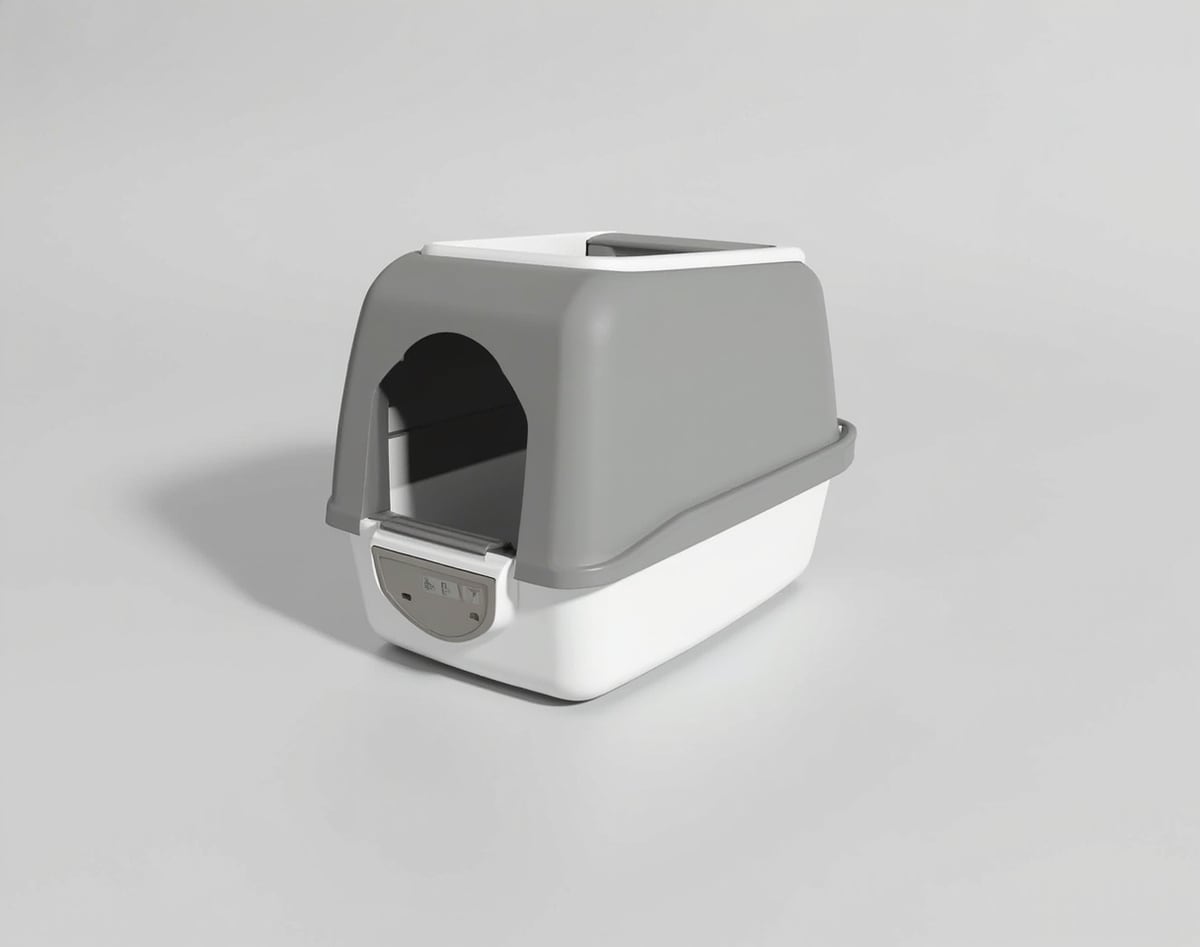
PetSafe ScoopFree Crystal Pro Self-Cleaning
Best budget entry point
Perfect for: budget shoppers
Skip if: Locked to PetSafe's own crystal litter trays — a recurring cost that never ends
Price: check current price · Editor score: 6.6 / 10
How each pick scores
Dimension scores carry one of three data source labels: manufacturer specifications, aggregated user reviews, or editorial assessment. No score is a hands-on measurement.
Dimension scores carry one of three data source labels: manufacturer specifications, aggregated user reviews, or editorial assessment. No score is a hands-on measurement.
Dimension scores carry one of three data source labels: manufacturer specifications, aggregated user reviews, or editorial assessment. No score is a hands-on measurement.
Dimension scores carry one of three data source labels: manufacturer specifications, aggregated user reviews, or editorial assessment. No score is a hands-on measurement.
Dimension scores carry one of three data source labels: manufacturer specifications, aggregated user reviews, or editorial assessment. No score is a hands-on measurement.
Final score is the weighted average of the dimension scores above — see How we score on /how-we-test/.
Select 2 to 4 products on this list to compare them side by side.
How We Put This List Together
These five boxes were compared on what their manufacturers publish: cat weight limits and entry sizes, stated waste capacity between interventions, footprint, sensor and safety design, litter compatibility, connectivity, and warranty and trial terms. Every number in this article comes from a live official product page, and where a maker does not publish a number, we say so instead of estimating it.
AIBUYLAB has no testing lab, so nothing here is a hands-on result — the ranking is an editorial judgment made in the open. Prices below are the listed prices we verified on the day we checked, and the price you see on any button is always the retailer's current one.
The Picks in Detail
Litter-Robot 4
The case for the Litter-Robot 4 in a multi-cat home is straightforward once you read its own spec page: Whisker rates one unit for up to four cats, for cats from 3 to 25 lbs, and states the waste drawer may only need emptying "as low as once every 8 days." That is the longest published emptying interval in this group alongside the PETKIT, and it is the interval that actually decides how often a multi-cat household interacts with the box at all.
The mechanics support that claim on paper. A sifting cycle starts minutes after the cat exits — the delay is extendable up to 30 minutes — and Whisker's QuietSift design separates clumps from clean litter rather than raking them into a tray. Laser and weight sensors gate the cycle, and the SmartScale tracks each cat's weight in the app, which is genuinely useful in a multi-cat home because it is the only way to see which cat is using the box and how often. Whisker's app shows seven days of visit and per-cat weight insight; longer history needs a Whisker+ membership.
The constraints are real too. It is the most expensive box here at a listed "as low as $699", it needs 2.4 GHz Wi-Fi (the 5 GHz band is not supported), and the 24 lbs empty weight and 22 × 27 in footprint mean it is not a small object. The official page also flags it as a Class 1 laser product, which is normal for the sensor design but worth knowing. The 90-day in-home trial and the included one-year warranty reduce the risk of getting it wrong.
PETKIT Purobot Max Pro 2
The Purobot Max Pro 2 takes the same rotating-drum approach as the Litter-Robot and undercuts it on listed price — $499.99 sale against $599.99 regular on PETKIT's own page. The drum is rated at 76 L, and PETKIT claims hands-free cleaning for up to 17 days for a single cat; extrapolate that across the cat weight limit of 3.3–22 lbs and it is clearly built for a similar multi-cat role, though PETKIT's own headline figure is quoted per one cat.
Where it differs most is monitoring: it has an AI camera on top with multi-cat recognition and one-way audio, so you can see which cat visited, and the maker's twelve sensors with an anti-pinch design cover the safety question in the same way Whisker's laser and weight sensors do. It connects on both 2.4 GHz and 5 GHz Wi-Fi, which immediately fixes one of the Litter-Robot's constraints, and accepts clumping clay, tofu or mixed litter with the included sifters.
Trade-offs: the entry is notably smaller than the Litter-Robot's (10.51 × 10.74 in and 10.03 in high), which matters for a large cat; the camera is one-way audio only; and the review base on PETKIT's own page is 216 reviews — a small fraction of Whisker's, so the long-run reliability picture is thinner. Note also that this model supersedes the earlier Purobot Max Pro on PETKIT's store; we deliberately compare against the current unit.
PETLIBRO Luma Smart Litter Box
If the household runs more than four cats — or if you simply want to see the box rather than infer from an app — the Luma goes further than either unit above: PETLIBRO rates it for up to ten cats, for adult cats from 2.2 to 22 lbs, with a 2.9 gal (11 L) waste drawer that holds up to seven days of waste for two cats. Built-in is the word: there is a 1080p camera with 24/7 livestream, up to ten-minute recordings, AI waste analysis and multi-cat recognition from multiple angles.
The Luma also attacks odour actively rather than passively — a built-in fan circulates air through a carbon deodoriser, which PETLIBRO says traps up to 97% of litter box odours in third-party lab testing. That is a maker claim about a lab test, not our measurement, but it is a published and attributable one. Four safety checks (weight, visual and infrared motion sensors with anti-pinch) cover the cycle, and the 24-month warranty is the longest of this group alongside CatGenie's.
The catches: at 33.01 lbs and 23.3 × 22.5 × 28.1 in it is the heaviest and tallest box here; it needs a hard, flat floor (no carpet); and it only works with clumping, tofu or mixed litters — crystal and pine will not cycle. Auto-clean is disabled for kittens under six months or under 2.2 lbs. We could not verify a live purchase page from this environment, so this listing carries no purchase button here.
CatGenie A.I.
The CatGenie A.I. solves the waste problem differently: it does not store waste in a drawer at all. It scoops solids, liquifies them in a hopper, flushes everything down a drain, then washes the bowl and its reusable Washable Granules with a cat-safe SaniSolution and hot-air dries them. The result for a multi-cat home is that there is no drawer to empty and no smell building up over days — the waste simply leaves the house.
The published package reflects that: $529 listed (from $499) including the box, an 18-month extended warranty, a Fresh Scent cartridge and a bag of washable granules; 4.93/5 from 123 reviews on CatGenie's own page; and multi-cat support with app scheduling and usage monitoring. SaniSolution cartridges are changed every 1.5–3 months, and the system is septic safe.
The dealbreaker is structural. The CatGenie needs a one-time hookup to a cold water supply (a T-adaptor to a laundry line or toilet), a laundry drainpipe or toilet drain, an outlet, and Wi-Fi. It also never uses cat litter — only its permanent granules — so you are buying into a consumable ecosystem (SaniSolution and granule top-ups) rather than a litter brand. At 19.25 × 24.5 × 21 in and 25 lbs it is large, and its hoses need clearance behind it.
PetSafe ScoopFree Crystal Pro Self-Cleaning
The ScoopFree Crystal Pro is the cheapest box in this comparison by a wide margin — $229.99 listed on PetSafe's own page — and it is a different kind of machine: a hooded, rake-style box that works with crystal litter rather than clumping clay. PetSafe states it self-cleans for up to 30 days with no scooping, seeing or touching waste, and backs the crystal trays with a claim of five times better odour control than traditional clay litter. A digital display health counter tracks how often the cat uses the box, which is a genuine (if basic) health signal in a multi-cat home, and a light signals when the tray needs replacing.
It also suits a smaller space better than the rotating boxes: 28.2 × 20.4 × 16 in with a plug-in power supply, a privacy hood included, and PetSafe's 45-day satisfaction guarantee.
The trade-offs are the running costs and the litter lock-in. It is only compatible with PetSafe's own ScoopFree disposable or reusable crystal litter trays, so the 30-day interval ends with you buying another tray. No star rating is published on the official page for us to cite, and the rake mechanism is inherently less suited to heavy multi-cat use than a rotating drum — the drawer-less design here means waste sits in a tray under the hood until you replace it. Treat it as the entry point to automatic litter, not the ceiling.
What to Check Before You Buy
- Cat count and weight. Check the maker's rated cat count and weight range against your own cats — kittens and small cats often disable the auto cycle.
- Entry size. Measure your largest cat and compare it to the published entry height and width, not the footprint.
- Waste interval vs waste handling. Decide whether you want a drawer or tray you empty, or a plumbed unit that flushes waste out of the house.
- Litter compatibility. Some units accept clumping clay, tofu or mixed litter; others are locked to proprietary crystal trays or washable granules. Price the consumables before committing.
- Wi-Fi band and power. Several units are 2.4 GHz only; check your router, and confirm the plug location suits the footprint.
- Trial and warranty. Use the in-home trial window; three of these units offer 90 or 45-day returns, and extended warranties are usually paid add-ons.
Frequently Asked Questions
Which automatic litter box has the longest stated cleaning interval?
On the published record, the Litter-Robot 4's waste drawer "as low as once every 8 days" and the PETKIT Purobot Max Pro 2's "up to 17 days" for one cat are the longest stated intervals in this group, and the PetSafe ScoopFree Crystal Pro claims up to 30 days before a tray change. These are maker claims tied to specific cat counts, not measurements, and they scale down as you add cats. Source: this article, Best Automatic Litter Box for Multiple Cats: 5 Editor Picks
Which of these boxes works without cat litter?
The CatGenie A.I. It uses permanent reusable Washable Granules that are washed and hot-air dried in place, and its instructions are explicit that cat litter is never used. Every other unit here takes one or more litter types (clumping clay, tofu, mixed, or crystal trays in the PetSafe's case). Source: this article, Best Automatic Litter Box for Multiple Cats: 5 Editor Picks
Can I put an automatic litter box on carpet?
Not for every model. PETLIBRO states the Luma needs a hard, flat floor. Check the maker's own installation notes for whichever unit you are considering before choosing a spot. Source: this article, Best Automatic Litter Box for Multiple Cats: 5 Editor Picks
Do any of these replace manual scooping entirely?
No. All five automate the sifting or raking, but a drawer, tray or hopper still has to be emptied or replaced on the maker's stated interval, and the plumbed CatGenie still needs its SaniSolution cartridge and granule top-ups. Automatic means less scooping, not none. Source: this article, Best Automatic Litter Box for Multiple Cats: 5 Editor Picks
What we like
- Rated for up to four cats and cats from 3 to 25 lbs — the widest multi-cat envelope here
- Waste drawer stated to need emptying as little as every 8 days
- Per-cat weight tracking and seven-day visit history in the Whisker app
- 4.5/5 from 14,102 reviews on the maker's own page, with a 90-day in-home trial
What we don't like
- Most expensive unit in this comparison at a listed "as low as $699"
- 2.4 GHz Wi-Fi only — the 5 GHz band is not supported
- Large footprint (22 × 27 in) and 24 lbs empty weight
- Three-year warranty is a $129 add-on rather than included
Quick verdict
For a multi-cat home the questions that matter are how many cats one unit is rated for, how often you still have to touch waste, and what happens when a small or large cat steps in. On the published record, the Litter-Robot 4 has the widest multi-cat envelope of this group (up to four cats, 3–25 lbs) and by far the largest review base behind it; the PETKIT Purobot Max Pro 2 is the closest rotating-box alternative at a lower listed price; the PETLIBRO Luma covers up to ten cats and adds a camera; the CatGenie A.I. removes waste from the house entirely but needs plumbing; and the PetSafe ScoopFree Crystal Pro is the cheapest entry point, at the cost of buying its crystal trays.
Current price: check current price · Check Price
When NOT to buy these picks
CatGenie A.I. — skip it without plumbing
- The maker's own spec page lists a cold water hookup, a drain, an outlet and Wi-Fi as required
- Waste is flushed to a drain, so the unit needs permanent plumbing rather than a spare corner
Based on the maker's published spec, CatGenie A.I.: "Requires: Cold water hookup, drain, outlet, Wi-Fi"
PetSafe ScoopFree Crystal Pro — skip if you do not want recurring tray buys
- The maker locks this box to its own crystal trays — the spec lists crystal trays only
- The tray replacement price is not published on the verified page, so the recurring cost is unknown before you buy
Based on the maker's published spec, PetSafe ScoopFree Crystal Pro Self-Cleaning: "Litter: ScoopFree crystal trays only"
Litter-Robot 4 — skip it if your router only reaches the box on 5 GHz
- The maker states 2.4 GHz Wi-Fi only and that the 5 GHz band is not supported
- Check the band at the box's location before buying rather than after
Based on the maker's published spec, Litter-Robot 4: "Wi-Fi: 2.4 GHz only (5 GHz not supported)"
PETLIBRO Luma — skip it on carpet or with kittens
- PETLIBRO states the Luma needs a hard, flat floor (no carpet)
- Auto-clean is disabled for kittens under six months or under 2.2 lbs per the maker's published page
Based on the maker's published spec, PETLIBRO Luma Smart Litter Box: "Cats: Up to 10 cats, 2.2-22 lbs"
- 2026-11-07 — First published: five-unit comparison built from live official product pages verified 2026-11-07. Litter-Robot 4 ranked first; PETKIT Purobot Max Pro 2 compared as the current model (supersedes the earlier Purobot Max Pro); PETLIBRO Luma listed without a purchase link because its official page could not be verified from this environment.
You may also like
- Review
Litter-Robot 4 Review
A published-specification review of the Litter-Robot 4: cycle behaviour, laser and weight sensors, multi-cat limits, the 14,102-review record on Whisker's own page, consumables and warranty.
- Comparison
Litter-Robot 4 vs PETKIT Purobot Max Pro 2
Two rotating self-cleaning litter boxes compared head to head from their own pages: capacity, multi-cat limits, sensors vs camera, litter compatibility, warranty and listed price.
- Guide
How to Choose an Automatic Litter Box
A buyer's guide to automatic litter boxes: the three mechanism families, the specifications that decide fit, and the recurring consumable costs to check before buying.