How to Choose an Automatic Litter Box
An automatic litter box is one of the few pet purchases that changes a daily chore into a monthly one — but the wrong choice just adds a complicated machine to a job you still have to do. This is how to read the specifications and decide for yourself.
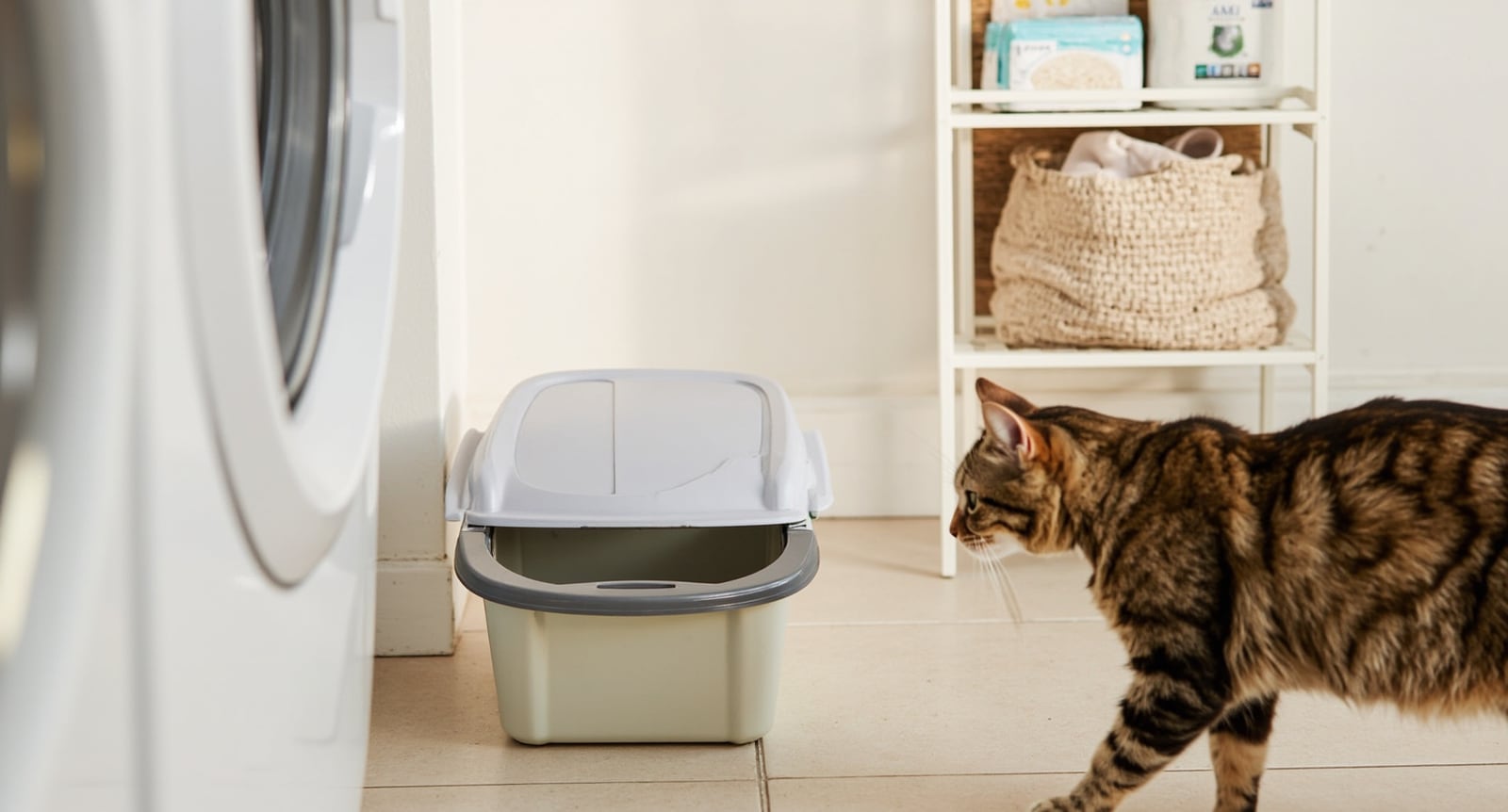
How to Choose an Automatic Litter Box — editorial image.

How we chose
We built these picks from published product specifications, official retailer listings and user reviews. AIBUYLAB has no testing lab — nothing here claims hands-on measurements. Every product is scored on a 10-point weighted index across 5 to 6 dimensions per category, and each dimension score is labelled with its data source: manufacturer specs, aggregated user reviews, or our editorial assessment.
Products in this guide
 Litter Robots
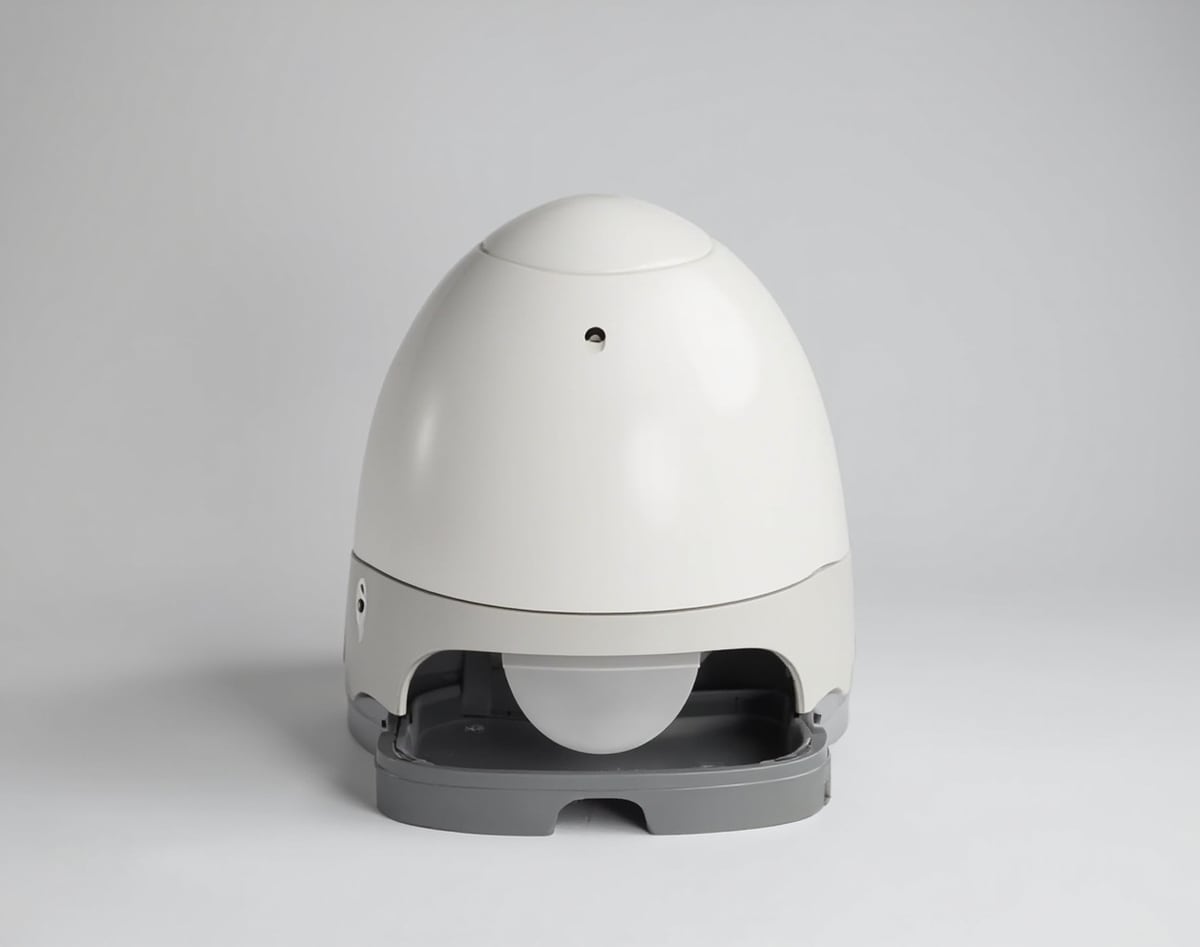
Litter-Robot 4
Editor score: 8.4 / 10
14,102 customer reviews on Whisker's page · verified 2026-11-07
Price: check current price price verified 2026-11-07
 Litter Robots
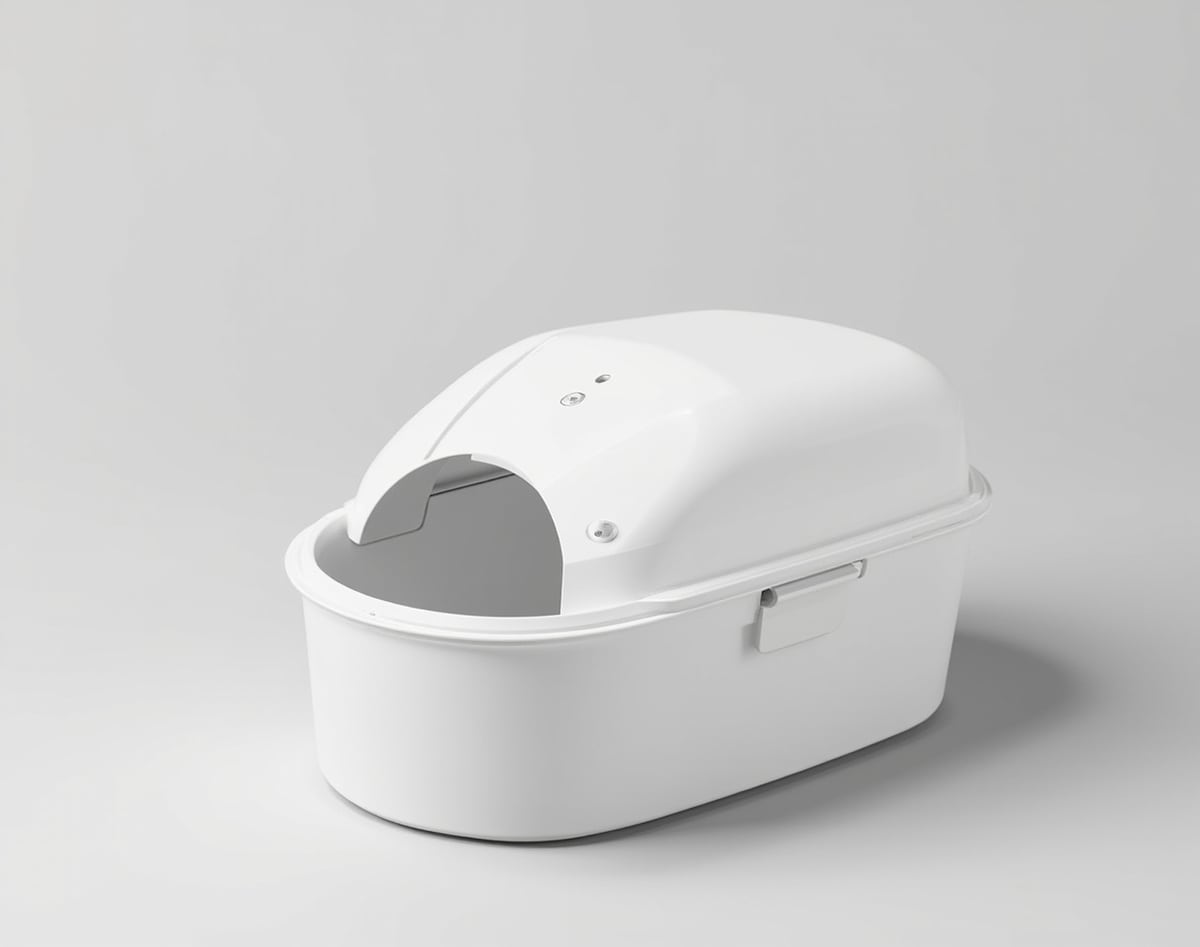
PETKIT Purobot Max Pro 2
Editor score: 8.6 / 10
216 customer reviews on PETKIT's page · verified 2026-11-07
Price: check current price price verified 2026-11-07
 Litter Robots
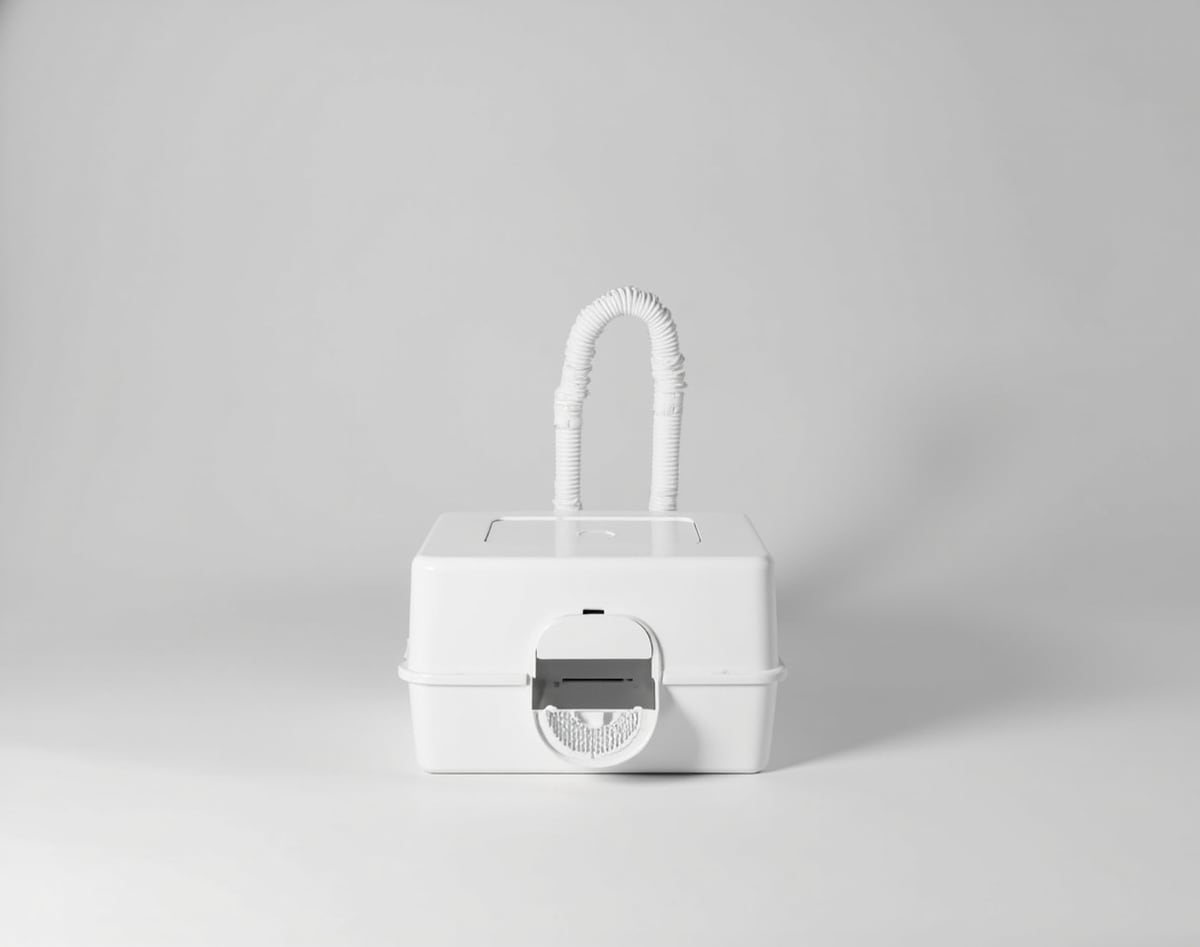
CatGenie A.I.
Editor score: 7.8 / 10
123 customer reviews on CatGenie's page · verified 2026-11-07
Price: check current price price verified 2026-11-07
What an Automatic Litter Box Actually Does
Every automatic box automates the same step — separating waste from clean litter — but the three mainstream mechanisms do it in ways with very different consequences.
Rotating and sifting drums
A globe or drum rotates after the cat leaves, sifting clumps through a screen and dropping them into a sealed drawer below. This is the design used by the Litter-Robot 4, the PETKIT Purobot Max Pro 2 and the PETLIBRO Luma. It works with ordinary clumping litter (some accept tofu or mixed), holds the most waste per emptying, and is the approach best suited to large and multi-cat homes. The trade is height and footprint — these are large objects that need headroom and a clear floor area.
Rake-based hooded boxes
A motorised rake drags waste into a covered tray at one end of a hooded box. This is thePetSafe ScoopFree Crystal Pro design. It is cheaper, shorter and simpler, but it is a lighter-duty mechanism: the tray fills faster, and most rake designs lock you into the maker's own crystal trays rather than a supermarket litter.
Self-washing flushable units
The CatGenie A.I. does not store waste at all — it scoops, liquifies and flushes it to a drain, then washes and hot-air dries reusable granules. Waste never accumulates and litter never needs buying again, but the unit needs a cold water supply, a drain and an outlet, so it is a plumbing decision rather than a shopping one.
The Numbers That Matter Most
- Cat weight range. Every maker publishes one; the Litter-Robot 4 covers 3–25 lbs, the PETLIBRO Luma 2.2–22 lbs, and both disable the automatic cycle for young kittens. If you have a Maine Coon or a young kitten, this number decides the product before any feature does.
- Entry height and entry size. A low entry matters for arthritic or senior cats; a wide entry matters for large cats. Published entry sizes range from about 10 × 10.5 in up to 15.75 × 15.75 in across this category.
- Waste capacity in days. Maker claims run from "up to 30 days" for a crystal tray to "up to 17 days" for one cat in a rotating drum. Read the cat count attached to the claim, not just the number.
- Footprint and height. Measure the spot before you buy, allowing clearance for a door or globe to open; rotating drums are tall.
- Noise. Where a decibel figure is published (some PETKIT models cite around 25–35 dB), use it; otherwise look for a stated "quiet" sifting design and accept it is unquantified.
- Wi-Fi band and power. 2.4 GHz-only units are common; check your router. Most units are corded; a few have battery backup as an option.
- Sensors and safety. Look for weight or infrared sensors with anti-pinch protection that pause the cycle when a cat is detected — and check what happens to a small kitten below the minimum weight.
- Litter compatibility. Some accept clumping clay, tofu or mixed litter; crystal boxes accept their own trays only; the CatGenie accepts no litter at all, only its washable granules.
- App, subscription and warranty. Decide whether you want per-cat tracking and alerts, and check both the warranty length and whether extended coverage is included or a paid add-on.
Which Type Fits Your Home
Multi-cat homes should look at rotating drums first: they hold the most waste between emptyings, rate for the most cats, and the per-cat weight tracking is the only way to see who is using the box how often. Small apartments should measure carefully — a rotating drum is tall, and a rake-based box may be the better fit if its tray schedule suits you. Older or arthritic cats need the lowest published entrance height you can find; a tall drum entrance is a real obstacle for a stiff cat. Kittens and small cats need a machine whose sensors allow small bodies, and several makers explicitly switch auto-cleaning off below six months or a minimum weight. Homes that hate touching waste entirely should consider the plumbed CatGenie, accepting the installation work — waste leaves the house rather than accumulating in a drawer.
Recurring Costs People Forget
The purchase price is not the whole price. Crystal tray systems need a tray every few weeks. Washable granule systems need a sanitising cartridge every one to three months and granule top-ups. Rotating drums need carbon filters, waste drawer liners, and occasionally a replacement sifter. Extended warranties are usually paid add-ons, and some makers gate longer app history behind a membership. Before you commit, price a year of the consumables the maker specifies on the page — that is the number that tells you what the box really costs.
Step by Step
- Step 1 — Measure the spaceMeasure width, depth and available height, and allow extra clearance for the door, globe or hood to open. Compare against the maker's published footprint, not the pictures.
- Step 2 — Check the cat's weight and mobilityWeigh the cat and note its age. Compare against the published weight range and entry height, and confirm what the maker says happens for kittens below the minimum.
- Step 3 — Pick a mechanismChoose between a rotating drum, a rake-based tray system and a plumbed self-washing unit based on whether you have the plumbing, the height, and the tolerance for recurring trays.
- Step 4 — Check litter and consumable costsConfirm which litters the unit accepts, then price a year of its trays, cartridges, filters or liners. Proprietary systems cost more over time than their purchase price suggests.
- Step 5 — Confirm Wi-Fi and power before setting upCheck the Wi-Fi band the unit needs, where the nearest socket is, and whether a battery backup is included or optional. Then use the in-home trial window to make sure the cat actually accepts it.
Frequently Asked Questions
How often will I need to empty the waste drawer?
It depends on the mechanism and the number of cats. Published claims range from roughly every eight days for a rotating drum in a multi-cat home, to up to 30 days for a crystal tray system, to never for a plumbed unit — always read the claim with its attached cat count, since makers quote best cases. Source: this article, How to Choose an Automatic Litter Box
Can I use clumping clay, tofu litter or crystal litter?
It depends on the machine. Rotating drums generally accept clumping clay, tofu or mixed litter through a sifter; crystal boxes accept only their own trays; and the CatGenie self-washing unit uses no litter at all, only its washable granules. The maker's compatibility note is in the product page's specification section. Source: this article, How to Choose an Automatic Litter Box
Does an automatic litter box need Wi-Fi or a subscription?
Wi-Fi is usually optional for the core function — the cleaning cycle runs on the machine — but it is required for app features like per-cat tracking and alerts. Subscriptions are uncommon for the box itself; they are more often for extended app history or, in camera-equipped units, for cloud recording. Source: this article, How to Choose an Automatic Litter Box
Is an automatic litter box safe for a kitten?
Most makers publish a minimum weight and age, and several disable the automatic cycle for kittens under six months or below a stated weight. Read the sensor and safety note on the product page before buying for a young cat. Source: this article, How to Choose an Automatic Litter Box
Quick verdict
The decision comes down to three questions: which mechanism you actually want (a rotating drum, a rake, or a plumbed self-washing unit), how many cats and what size of cat it must serve, and whether you are happy to keep buying that machine's litter, trays or cartridges forever. Get those three right and the brand barely matters; get the mechanism wrong and no amount of app features will fix it.
- 2026-11-07 — First published: buying guide for automatic litter boxes, structured around mechanism families and the specification set that actually decides fit. Companion product coverage: best automatic litter boxes for multiple cats, Litter-Robot 4 review and Litter-Robot 4 vs PETKIT Purobot Max Pro 2.
You may also like
- Best List
Best Automatic Litter Box for Multiple Cats: 5 Editor Picks
Five automatic litter boxes ranked for multi-cat homes — compared on cat count, waste interval, entry size and litter compatibility from their published specifications.
- Review
Litter-Robot 4 Review
A published-specification review of the Litter-Robot 4: cycle behaviour, laser and weight sensors, multi-cat limits, the 14,102-review record on Whisker's own page, consumables and warranty.
- Comparison
Litter-Robot 4 vs PETKIT Purobot Max Pro 2
Two rotating self-cleaning litter boxes compared head to head from their own pages: capacity, multi-cat limits, sensors vs camera, litter compatibility, warranty and listed price.